How to Get Driver and Conductor Jobs at Super Metro: Salaries, Routes and Applications
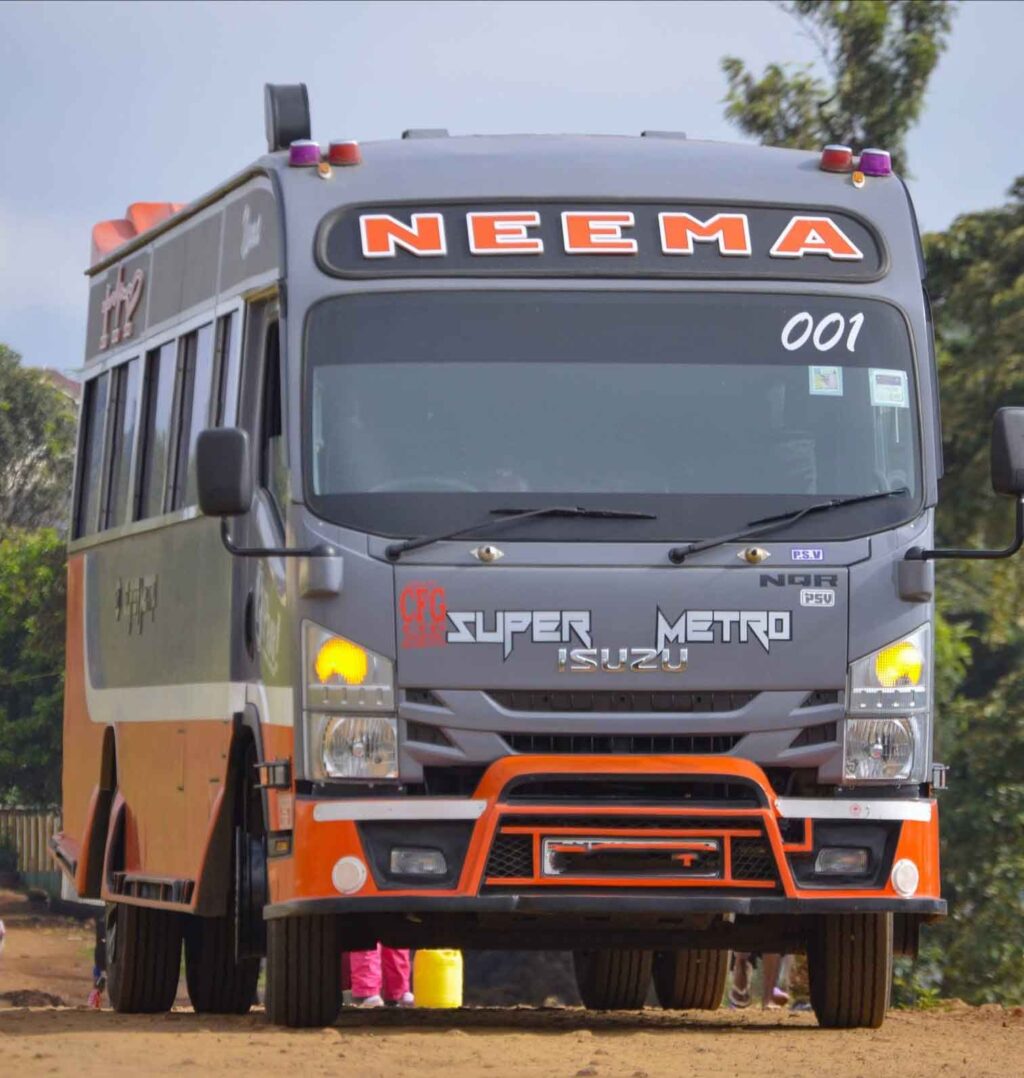
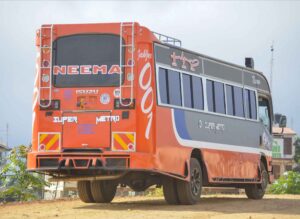
Super Metro is the largest matatu company in Nairobi City. Many passengers love it because of the hygienic condition of its vehicles and its organized operations. People always line up while boarding, unlike in other nganya matatus. They do not play loud music that irritates the ears, ensuring a peaceful journey. The buses also have a uniform yellow-orange color that looks simple and smart. Super Metro has become one of the most respected matatu Saccos in Nairobi and the surrounding towns.
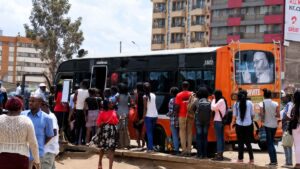
On March 30, 2026, the SACCO expanded its operations to Ongata Rongai, making a significant addition to its network, which now covers over 15 routes in Nairobi and its metropolitan area. Due to this expansion, many youths are now seeking employment opportunities as drivers, conductors, route marshals, inspectors, mechanics, and office staff. Due to the high unemployment rate in Nairobi, thousands of youths dream of joining the team because of its reputation for better salaries, organized management, and stable work compared to ordinary matatu crews.
The Havenkenya team has compiled a detailed guide about opportunities for drivers and conductors in Super Metro, including recruitment procedures, qualifications, applications, salaries, routes, working conditions, and the most frequently asked questions by job seekers in Kenya.
Main Job Opportunities Available in Super Metro
1. Driver Jobs
Drivers are the backbone of the company. Super Metro drivers are expected to maintain professionalism, obey traffic rules, and handle passengers respectfully.
Main Responsibilities of Drivers
- Driving passengers safely
- Following assigned routes
- Maintaining vehicle cleanliness
- Observing traffic laws
- Reporting vehicle mechanical problems
- Maintaining discipline on the road
- Providing good customer service
2. Conductor Jobs
Conductors help with fare collection, passenger coordination, and customer support.
Responsibilities of Conductors
- Collecting fares
- Assisting passengers
- Maintaining order in the vehicle
- Helping passengers identify stages
- Communicating route information
- Ensuring smooth boarding
3. Route Marshals
As Super Metro expands, route marshals help coordinate vehicles at different stages.
Their work includes:
- Organizing queues
- Managing passenger boarding
- Controlling traffic flow
- Helping drivers follow schedules
- Coordinating communication between crews
4. Road Inspectors
Super Metro has also been recruiting road inspectors to help monitor operations on different routes.
Duties of Road Inspectors
- Monitoring vehicle movement
- Reporting delays and incidents
- Ensuring crews follow company rules
- Improving operational efficiency
- Promoting discipline and safety
Qualifications Required for Super Metro Drivers
If you want to become a driver at Super Metro, you must meet several requirements.
According to recruitment information previously shared by the company and media reports, driver applicants may need:
- A valid driving license (specifically classes D1, D2, or D3 as required)
- Certificate of good conduct
- National ID copy
- Passport photos
- SHA number
- NSSF card
- Academic certificates
- Release letter from a previous employer
- PSV driving experience of at least a few years
Qualifications Required for Conductors
Conductors are also expected to meet several requirements before recruitment.
Common Requirements
- National ID
- Certificate of good conduct
- Passport photos
- NHIF card
- NSSF card
- Academic certificates
- Good communication skills
- Discipline and customer service skills
How to Apply for Super Metro Jobs
Many people ask how recruitment is done at Super Metro. Normally, the company announces vacancies when expanding routes or increasing fleet size.
Ways to Apply
To apply, you must physically deliver a written application and your credentials to their main office, which is located along Tom Mboya Street, Nairobi, at Njegi House, 7th Floor.
In addition, there are usually charges for driver and conductor candidates related to joining costs, such as branded apparel (shirts/sweaters) and processing fees, based on past recruitment notices. While they do not charge applicants to apply, they require payment from qualified candidates for items like PSV badges (paid to NTSA) and uniform fees.
Previous notices have indicated fees for branded gear (e.g., KSh 2,800 for uniforms) and PSV badge fees (e.g., KSh 1,200).
The SACCO handles the interview and hiring process, then pairs successful applicants with investors who own the vehicles.
Drivers are usually taken through additional defensive driving training before joining operations.
How Often Does Super Metro Recruit?
Recruitment mostly depends on fleet expansion, the opening of new routes, staff replacement, and increased commuter demand.
Salaries and Payments for Drivers and Conductors
One major reason many people want to work for Super Metro is the better pay compared to ordinary matatus.
Reports indicate that:
- Drivers may earn between KSh 60,000 and KSh 80,000 monthly
- Experienced drivers may earn over KSh 100,000
- Conductors may earn between KSh 45,000 and KSh 60,000 monthly
- Experienced conductors may earn higher salaries and bonuses
Some reports also claim workers may receive annual bonuses depending on performance and company operations.
Salaries may also vary depending on experience, route, working hours, individual performance, and company policies.
Super Metro Routes in Nairobi
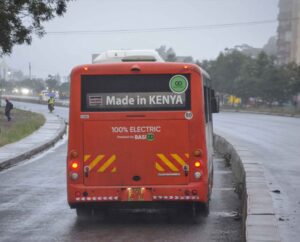
The matatu SACCO has dominated Nairobi under the leadership of Nelson Mwangi Nduki, the chairman and co-founder, since 2013. By 2026, the company had over 500 buses serving an average of 170,000 passengers per day and employing over 2,500 staff members. The company has also integrated electric vehicles into its fleet.
The company mostly focuses on long-distance routes, where fares range between KSh 100 and KSh 300. Common routes include Nairobi CBD to areas along Thika Road, including Zimmerman, Githurai, Ruai, and Juja. There are also routes to Kitengela and as far as Machakos Town, passing through Mombasa Road.
In the evening at Nairobi CBD, you can notice several passengers lining up near the Kenya Archives to board the minibuses. For Kitengela, the buses are located near the Railways roundabout and the Bus Station.
How to Submit a Bus to Super Metro SACCO (Joining as an Investor)
To submit a bus to Super Metro SACCO when you want to start a matatu business, you must join as an investor by meeting specific financial and operational requirements set by the management. Like Njugush, you can either bring your own vehicle or use the SACCO’s asset financing partnerships.
This involves several one-time and recurring costs, including a registration fee of KSh 5,000 and a minimum share capital of KSh 10,000. There is also an entrance fee of KSh 50,000 if you are self-financing the bus, or KSh 100,000 if the company facilitates your financing.
For bus acquisition, if using SACCO-facilitated financing (for example, for a 33-seater Isuzu NQR), you typically need a 30% deposit, which is roughly KSh 1.956 million.
The standard preferred model is the 33-seater Isuzu NQR.
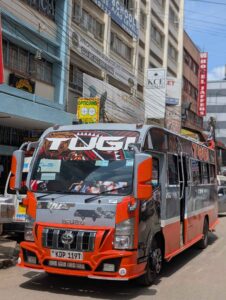
Many Passengers Prefer the Company Because of:
- Organized boarding systems
- Respectful conductors
- Cleaner vehicles
- Safer driving
- Better customer care
- Predictable fare systems
- Professional staff behavior