Pipeline Estate Nairobi: Guide, Lifestyle, and Rent
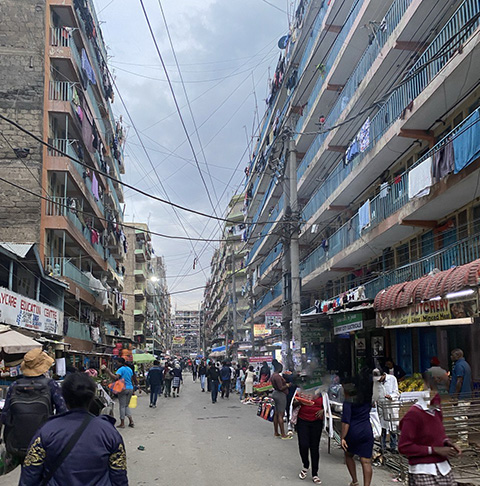
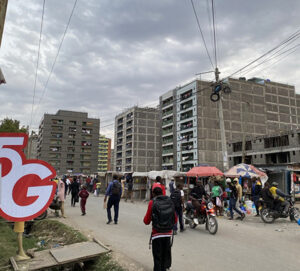
Pipeline estate, picture showing tall buildings
Pipeline Estate, a densely populated area in Embakasi South Constituency, is located in proximity (approximately 10 km) to Nairobi’s Central Business District. It is easily reached via Outering Road or Mombasa Road, and its location is a key draw for residents.
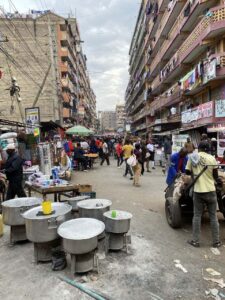
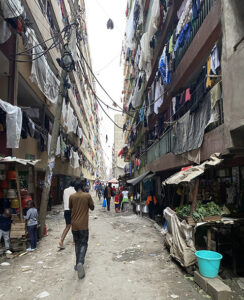
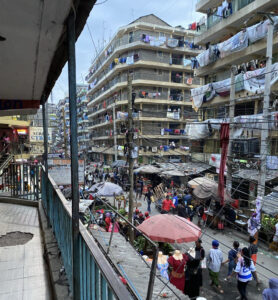
Pipeline Estate has several rental houses built up to the 7th and 8th floors, with some exceeding the recommended floor limits. The roads inside are narrow, with poor drainage, leading to flooding during rainy seasons. Due to overcrowding, there is inadequate waste management, and garbage is often found in most corridors, with some being dumped on the roads.
Most of the apartments lack full facilities, and the spaces between buildings are so close that they cause poor lighting on the lower floors; hence, residents have to use lights even during the daytime.
Daily Life
Most of the units are single rooms. Some residents stay with families, while others are individuals starting their lives in Nairobi, or students who opt for affordable accommodation during their studies.
The single rooms range from KSh 3,500 to KSh 5,000. A few apartments have bedsitters with monthly rent ranging from KSh 6,000 to KSh 7,000.
Tenants have access to water from a single tap located at a designated point on each floor. The water is supplied on specific days, mostly twice a week, under the supervision of the caretaker. Each person lines up with their containers, which must not exceed 20 litres in capacity, a rule that all tenants follow.
Caretakers in Pipeline Estate are given a free room. In exchange, they are responsible for cleaning the building, collecting monthly payments from tenants, and assigning rooms to new individuals seeking vacant accommodation.
The first two units near the gate are usually reserved for shops used by businesses. In front of the shops, Mama Mboga sells sukuma wiki, vegetables, and bananas.
Along the narrow roads in Pipeline and Kware areas, men sell chapatis in a 24-hour business that operates throughout the day and night.
Lifestyle of Pipeline and Kware Residents
The dominant community in Pipeline Estate is the Kamba community. Residents are mainly involved in selling clothes purchased from Eastleigh at wholesale prices, and they typically sell them along the road near Stage Mpya. A large percentage also work in the industrial areas along Lunga Lunga Road and Mombasa Road.
Security in the area is not very good, and there have been numerous cases of theft, ranging from stealing clothes and shoes to more serious crimes. There is a police station, the Kware Police Post, which handles cases in the area.
Challenges in the Pipeline Area
Most youths in the area face the challenge of unemployment. Some are involved in the boda boda business or garbage collection, while others, due to idling, use drugs, alcohol, and marijuana, especially in Mukuru Kwa Njenga slums, which are near the Kware area.
A tragic fire in 2012 in Sinai, Mukuru Kwa Njenga, claimed the lives of 75 people and left over 100 casualties due to the congested buildings in the area.
A blackout due to loss of electricity is a major challenge in the estate and can take several hours or days to be fixed by Kenya Power. There are many cases where transformers break down due to overloading by cartels that steal electricity to sell to businesses.
Bad roads make it difficult for vehicles to pass due to mud and flooding after rain.
Despite all the challenges, life can be manageable for a person who plans well. Life is relatively inexpensive in Pipeline, with food and rent being particularly affordable. Other apartments are slightly different, offering better amenities for those with higher salaries. However, many prefer to stay in Pipeline due to its proximity to their jobs and businesses.
Amenities, Transport & Community Assets
Despite the challenges, Pipeline is rich in entrepreneurial spirit, religious life, education, and strong community networks.
Education: The area has some of the better-performing schools, where students understand the hardships their parents are going through and are more motivated to work harder. The institutions include Pipeline Mukuru Academy, Topmax College, and others.
Healthcare: There are health facilities that provide maternity and other healthcare services, such as Bliss Medical Centre and Pipeline Health Centre.
Transport: The area is easily accessible via matatus. The common sacco is Embassava Sacco, and the fare ranges from KSh 50 to KSh 80. Alternatively, there is a train that charges KSh 40 to Nairobi Town.
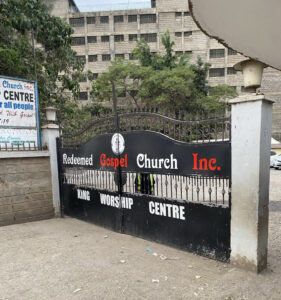
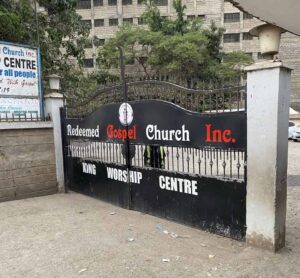
Religion & Social Life: Several churches serve the community, including Redeemed Gospel Church, which is next to Kware Police Post, AIC Pipeline, and PEFA Community.
Entertainment: There are several nightlife joints; one notable example is Astronvilla Club. There is also a sports ground that offers youths opportunities to showcase their skills, such as Kware Vision Ground, where people come to enjoy matches on weekends.
Benefits vs Challenges: Summary
Advantages
- Proximity to Nairobi CBD, transport costs range from KSh 30 to KSh 80, depending on time
- Affordable rent from KSh 3,500 for a single room
- Affordable food readily available in nearby markets
Disadvantages
- Extreme overcrowding in the area
- Poor waste management, with garbage even on roads
- Unsafe constructions with floors exceeding the required limit