
Nightlife Photography Business in Kenya: How to Start, Equipment Needed, and Earnings
Scott Photography
Scott Photography
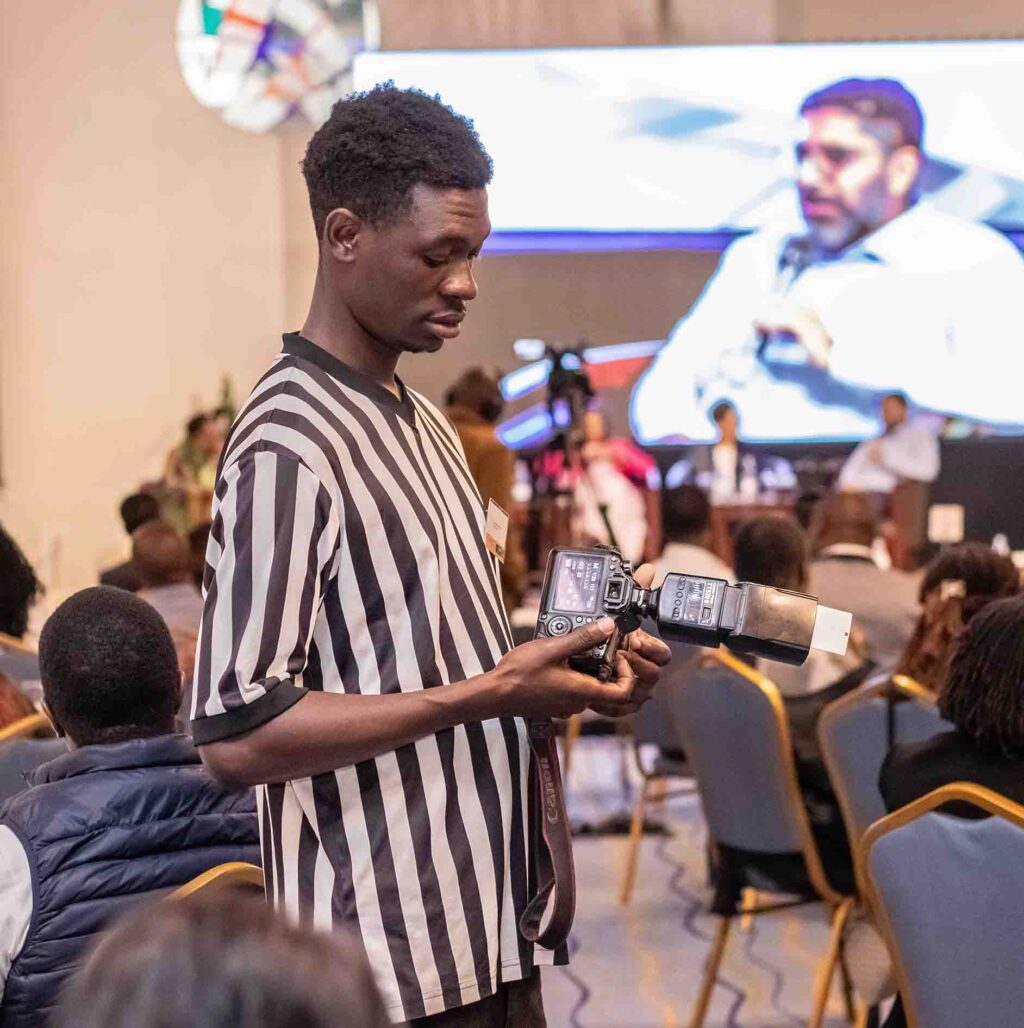
Many photographers in Kenya are now turning their cameras into income-generating tools by capturing nightlife scenes, DJs, and party moments. Due to the high rate of unemployment in the country, some young people have chosen to be productive instead of remaining idle and engaging in activities such as drug abuse. They have decided to be creative, buy cameras, and start earning money for survival.
In major towns across Kenya, especially Nairobi, you will see many young people carrying cameras and softboxes while hustling under the hot sun. Some have ventured into club photography because clubs use photos and videos for marketing on social media.
Club photographers in Kenya can sometimes earn more than professionals in some government careers, such as teaching. Their work helps businesses increase their visibility online.
The average monthly salary for many club photographers is around Ksh 30,000. However, photographers working for major clubs such as Quiver Kilimani, The Tunnel, Alcapone, and XS Millionaires can earn between Ksh 80,000 and Ksh 100,000 per month. To secure such opportunities, you must consistently produce high-quality photos and reels because clubs always want to remain competitive.
For average clubs that attract large crowds mainly on weekends, photographers are often paid around Ksh 2,000 per night.
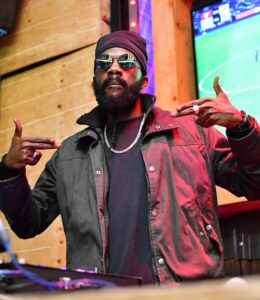
Apart from receiving payment from clubs, photographers can earn money from other sources while working at night. Many customers request photos and pay instantly. Some may later hire you for weddings, birthday parties, or other events. If you own a studio, they may also visit for personal photoshoots. DJs can also help promote your services.
DJs who want to maintain their brand often upload weekly or monthly mixes on YouTube. When they need professional video coverage for live DJ sessions, they may hire and pay you.
Many models and celebrities also attend major clubs. For example, people like Vera Sidika and Amber Ray frequently appear at popular venues. Taking quality photos of such personalities and sharing them on your social media pages can increase your visibility and attract new clients.
As a beginner, you can use DSLR cameras such as the Nikon D5600, Nikon D7500, Canon 80D, Canon 250D, or Canon 90D. Pair the camera with a 50mm prime lens, which is ideal for night photography because it allows more light to enter the camera.
The price of these cameras ranges from Ksh 50,000 to Ksh 100,000, depending on whether they are new or second-hand. A brand-new Nikon 50mm prime lens can cost around Ksh 30,000, while a used one may cost about Ksh 15,000.
When shooting in clubs, use RAW format. Set your aperture between f/1.8 and f/2.5, and try to keep your ISO below 1000 to reduce image noise. Invest in a powerful speedlight and point it upward to bounce light from the ceiling onto your subject. This technique often produces more natural and professional-looking photos.
Nowadays, a good camera and an iPhone capable of recording high-quality videos are essential for club photographers. Videos capture more details and generate higher engagement on platforms such as Facebook and Instagram. An iPhone 12 or newer model is recommended. Install CapCut and learn how to use it effectively for video editing.
On your laptop, have software such as Photoshop, Lightroom, and Premiere Pro, and take time to master them.

Working as a nightclub photographer comes with several challenges.
Photography equipment is expensive, making photographers common targets for thieves. You should always remain cautious. Avoid walking home late at night with expensive equipment whenever possible. Keep your gear in a secure place within the club.
When shooting inside the club, ensure that unused equipment such as laptops and spare lenses are safely stored in a bag and kept in a secure office or storage area.
Many Kenyan photographers complain about delayed or missed payments when working for clubs. To avoid such issues, agree on clear payment terms before starting work.
It is advisable to arrange daily or weekly payments. If payments become consistently delayed, raise the issue with management. If the problem continues, consider finding another opportunity because receiving your wages will likely remain difficult.
If your payment depends on your performance, always deliver your best work. Satisfied managers are more likely to retain your services and may even increase your pay.
Working in a nightclub environment can expose you to temptations such as alcohol and unhealthy relationships. Remember that you are there to work and earn money, not to party.
Many attractive people visit clubs, but it is important to maintain professionalism. Avoid situations that could put your equipment, finances, or reputation at risk.
Excessive alcohol consumption can also affect your performance. Alcohol impairs judgment and may reduce the quality of your work. If your performance drops, employers may replace you with another photographer since there is strong competition in the industry.